
UNCOVERING VENUS: FIRST EVIDENCE OF MASSIVE SUBSURFACE LAVA TUBES
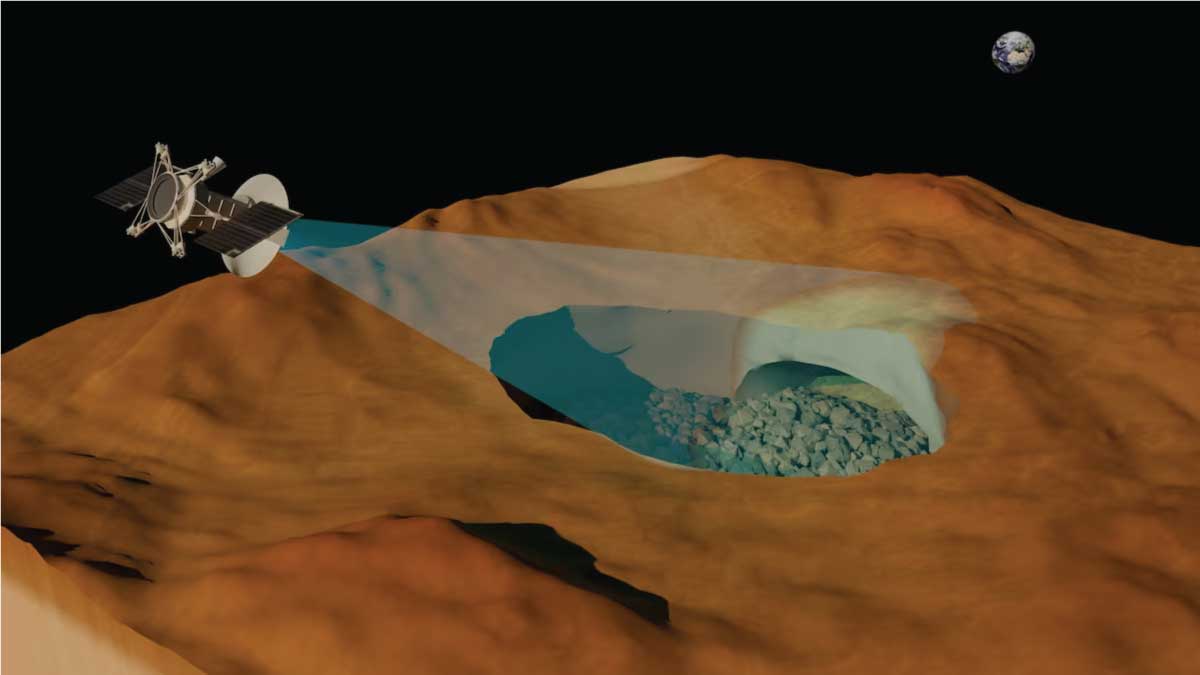
New analysis of decades-old radar data has confirmed the existence of a cavernous, empty lava tube beneath the surface of Venus, marking a major milestone in our understanding of the planet’s volcanic history. Researchers from the University of Trento utilized advanced imaging techniques to re-examine data from NASA’s Magellan mission, identifying a massive subsurface conduit in the Nyx Mons region.
This subterranean structure is estimated to be approximately one kilometer in diameter with an empty void at least 375 meters deep—dimensions that dwarf similar tubes found on Earth. The discovery was made by spotting a "skylight," a surface collapse where the tube’s roof has caved in, providing a rare glimpse into the planet's internal "plumbing."
The findings suggest that Venusian conditions—including dense atmospheric pressure and lower gravity—may facilitate the formation of these giant tunnels, which could extend for up to 45 kilometers. This discovery provides crucial validation for long-standing theories of Venusian volcanism and sets a new focus for upcoming missions like NASA’s Veritas and ESA’s EnVision.
Source: Read the full report at Reuters